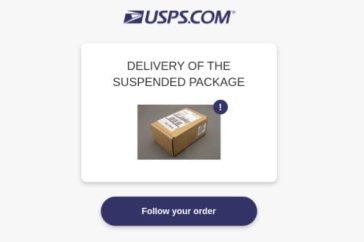
One scam I ran into recently was a fake package-delivery text. It looked super real at first — it said UPS couldn’t deliver a package and needed me to “confirm my address.” Since I order stuff online all the time, it didn’t seem weird. The whole point of the scam was to get people to click the link and type in their info, like their address or even credit card numbers. When I clicked the link, it took me to a page that honestly looked almost identical to the real UPS website. Same colors, same logo, same layout. That’s how they get people. It doesn’t look fake until you slow down and actually look at it.
The way the scam worked was basically by copying the real website and making the whole thing feel urgent. The text said the package would be sent back if I didn’t “fix the issue,” which is the kind of thing that makes you rush. They want you to panic and not think. That’s the trick.
Looking back, there were definitely signs it wasn’t real. The link had a sketchy URL that didn’t match UPS. The message also didn’t show a tracking number, which they normally do. And honestly, the tone of the text felt a little off — like it was trying way too hard. If someone else ends up getting a text like that, the best thing to do is not click anything. Go straight to the actual UPS website or app and check for yourself. Real companies don’t text you asking for personal info. If you double-check the link, the sender, and whether you’re even expecting a package, you can avoid falling for stuff like this.